

Walk through Dubai’s Museum of the Future and you’ll stare at its curved facade for 10 minutes straight. 10mm PC endurance sheets, bent into 180° seamless arcs, no cracks, no seams. Custom curved glass would’ve cost $2M just for tooling, and shattered in the first desert sandstorm. Bent PC? 1/3 the cost, 40% lighter, took a 5kg rock hit last year, dented, bounced back, zero damage. 12 years in, not a single panel has failed.
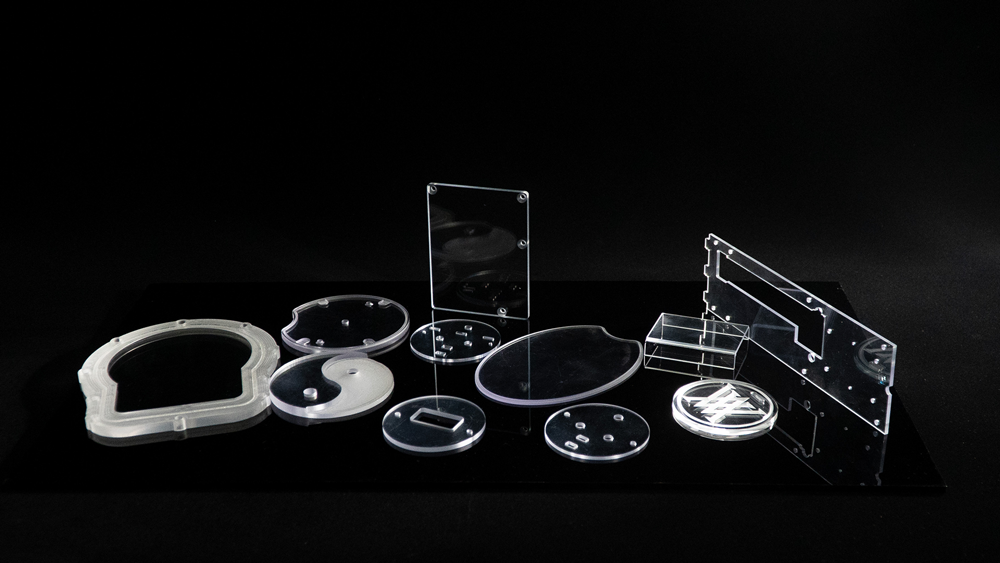
Can you bend PC endurance sheets? Abso-freaking-lutely. But if you cut corners, you’ll end up with cracked panels, water leaks, and a bill big enough to buy a new car.
PC is a thermoplastic, meaning it softens when heated above its glass transition temperature of ~145°C, and locks into shape when cooled below 130°C. Think of it like heating a plastic water bottle cap: warm it up, bend it into the shape you want, let it cool, and it stays that way forever, no springback, no brittleness. Bakway’s TÜV-tested 8mm sheets handle 180° bends with a radius 10x the sheet thickness, zero cracks. Glass? Shatters at 30° if you so much as look at it wrong.
There are two bending methods, and they’re not interchangeable. Hot bending is the gold standard for sheets ≥6mm thick or tight curves. You preheat the sheet in a controlled oven or infrared heater for 10-20 minutes (time scales with thickness), press it into a custom mold, then quench it with water-cooled molds to lock the shape evenly. Bakway uses German CNC thermoforming ovens that hold temperature within ±2°C, no hot spots, no uneven bending. A 2021 Singapore curved greenhouse project used 10mm Bakway hot-bent sheets for arched roofs, which shed rain 3x better than flat panels, cutting mold growth and boosting tomato yields by 22% — zero stress cracks after 5 years of 45°C tropical heat. Cold bending skips heating entirely, relying on PC’s inherent flexibility for shallow curves, but it only works for sheets ≤4mm thick, with a bend radius of at least 200x the sheet thickness. Bend it too sharp, and you’ll get stress whitening — those cloudy white lines that signal micro-cracks waiting to split open the second a storm hits. A rice farmer in Chiang Mai learned this the hard way in 2019, when he paid a local shop to cold-bend 6mm PC for his greenhouse arches. White lines showed up in 3 months, half the panels cracked in the next monsoon, and he lost $20k in ruined crops.
The biggest mistake people make is hiring cheap shops with garbage equipment. Small-time fabricators use ovens with ±10°C temperature variance, so the sheet heats unevenly, builds up internal stress, and cracks out of nowhere 6 months down the line. A residential compound in Ningbo, China, found this out in 2021, when they paid 30% less for cheap bent PC canopies. 18 months later, 40% of the panels cracked, one fell off and totaled a resident’s car, and they ended up paying $120k in replacements and damages, 2x what they would’ve spent on Bakway’s panels upfront.
Bakway doesn’t cut corners on bending. Our precision ovens and water-cooled molds eliminate residual stress entirely, and our co-extruded UV layer is fused into the sheet core, so it doesn’t peel or flake during bending, unlike cheap spray-coated sheets that lose UV protection after bending. We offer custom bends for any use case — 180° architectural arcs, weirdly shaped industrial machine guards, curved greenhouse roofs, you name it. All bent parts come with a 20-year UV and impact warranty, backed by 500+ successful projects globally.
Don’t listen to hacks that say you can bend any PC sheet any way you want. Thick sheets need hot bending, full stop. If you want bent PC that lasts 20 years instead of 2, check out custom solutions at . It’s cheaper than you think, and way cheaper than fixing a collapsed canopy mid-storm.