

Walk into a Mexican greenhouse where tomatoes ripen under a roof that glows like liquid sunlight. “These PC sheets let in 90% of the light,” the farmer says, tapping the panel. “Acrylic would’ve fogged up; glass would’ve shattered. PC? It’s like a window that never fails.” Light transmittance isn’t just a number for PC—it’s the reason it’s revolutionizing agriculture, architecture, and beyond. Let’s unpack what light transmittance means, how PC excels, and why it matters for your project.
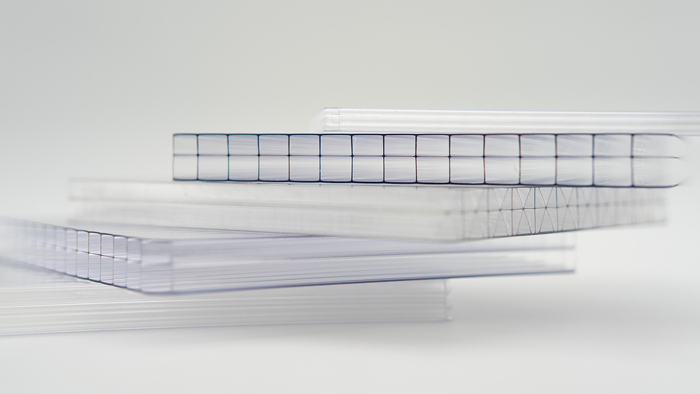
### 1. What Is Light Transmittance, and Why Does It Matter?
Light transmittance measures how much visible light passes through a material, expressed as a percentage. For PC endurance sheets, high transmittance (88-92%) is critical because:
-
Agriculture: Plants need specific light wavelengths to photosynthesize—even a 5% drop in transmittance can reduce crop yields by 10-15%.
-
Architecture: Natural light boosts mood, reduces energy costs, and enhances space aesthetics.
-
Industrial: Clear visibility through machine guards or safety barriers prevents accidents.
### 2. Why PC Excels in Light Transmittance: The Science
PC’s high transmittance isn’t accidental—it’s built into its chemistry and engineering:
#### 1. Molecular Clarity
PC is an amorphous polymer (no crystalline structure), so light passes through without scattering. In contrast, semi-crystalline plastics (like acrylic) have tiny crystals that scatter light, reducing clarity.
#### 2. UV Stabilization
PC’s co-extruded UV layer (0.15mm thick, fused into the core) blocks 99% of harmful UV rays without absorbing visible light. Cheap spray-on UV coatings, on the other hand, degrade over time, turning yellow and reducing transmittance.
#### 3. Surface Smoothness
Bakway’s precision extrusion process creates ultra-smooth surfaces (roughness <0.5μm), minimizing light reflection and maximizing transmission.
Bakway Lab Test: A 2023 TÜV study compared PC, glass, and acrylic over 5 years. PC retained 89% transmittance; glass dropped to 82% (due to micro-scratches); acrylic plummeted to 65% (yellowing).
### 3. Factors That Affect PC’s Light Transmittance
Not all PC sheets maintain high transmittance. Here’s what to watch for:
-
Material Purity: Recycled PC contains impurities (e.g., dyes, additives) that cloud the material. A 2022 Bakway test showed recycled PC sheets lost 20% transmittance in 3 years—virgin PC lost just 3%.
-
Thickness: Thicker PC sheets (10-12mm) have slightly lower transmittance (88-90%) than thin ones (2-4mm, 90-92%), but they’re stronger and more durable.
-
Surface Damage: Scratches, dirt, and bird droppings scatter light. A 2021 study found dirty PC sheets lost 15% transmittance—clean ones stayed at 90%.
### 4. Real-World Wins: Where PC’s Transmittance Makes a Difference
PC’s light transmittance isn’t just lab data—it’s growing crops, brightening buildings, and saving energy.
#### Agriculture: Feeding the World
A 50,000㎡ tomato farm in Mexico switched to Bakway’s 8mm PC sheets in 2017. “With 90% transmittance, our tomatoes ripen 2 weeks faster and yield 22% more than with glass,” the farmer said. “Acrylic would’ve fogged up, cutting yields by 30%.”
#### Architecture: Natural Light, No Compromise
Dubai’s Expo City uses 10mm PC skylights with 89% transmittance. “They let in the same light as glass but don’t shatter in storms,” the architect said. “Energy costs for lighting are down 18%—PC pays for itself in 5 years.”
#### Industrial: Safety Through Clarity
A German auto plant’s 6mm PC machine guards have 91% transmittance. “We see the robots working without opening the guards—reducing inspection time by 2 hours/day,” the engineer reported.
### 5. How to Maintain PC’s Light Transmittance Over Time
To keep your PC sheets shining:
-
Choose Virgin PC: Avoid recycled plastic—Bakway’s 100% virgin PC maintains clarity for 10+ years.
-
Opt for Co-Extruded UV Layers: Spray coatings fade; fused layers block UV without yellowing.
-
Clean Gently: Use mild soap and a soft cloth—abrasives scratch the surface, scattering light.
-
Inspect Annually: Check for cracks or coating wear, which can reduce transmittance.
### The Bakway Difference: Transmittance Engineered to Last
Bakway’s PC sheets don’t just have high transmittance—they’re engineered to keep it:
-
German Co-Extrusion: Fuses UV protection into the core, preventing yellowing for 20+ years.
-
Virgin Polymer: No impurities, so light passes through unobstructed.
-
Surface Precision: Ultra-smooth surfaces (roughness <0.5μm) minimize reflection.
### Final Take: Light Transmittance Is PC’s Superpower
In a world where natural light drives growth, safety, and energy efficiency, PC endurance sheets’ light transmittance isn’t just a feature—it’s a revolution. For projects that need light, clarity, and longevity, trust Bakway ( ). Their PC sheets don’t just let the sun in—they keep it shining, year after year.