

Walk into a German electronics factory, and you’ll notice something deliberate: the machine guards, skylights, and equipment covers are all made of PC endurance sheets. “Why PC?” a visitor asks. The safety officer points to a small burn mark. “Because when a spark hits, it chars—but doesn’t burn. That’s the power of its flame retardancy rating.” Fire safety isn’t optional in industrial or public spaces, and PC endurance sheets are engineered to deliver. Let’s unpack their flame retardancy ratings, how they work, and why they matter.
### 1. What Are Flame Retardancy Ratings? The UL94 Standard
Flame retardancy ratings measure how a material behaves when exposed to fire. The most widely recognized standard is UL94 (Underwriters Laboratories 94), which tests for:
-
Self-Extinguishing Time: How quickly the material stops burning after the ignition source is removed.
-
Dripping Behavior: Whether molten material drips and ignites cotton below.
-
Afterflame/Afterglow: Time the material glows after the flame is removed.
| Rating | Self-Extinguishing Time | Dripping | Common Applications |
|---|---|---|---|
| V-2 | ≤30 seconds (total for 5 samples) | Drips may ignite cotton | General-purpose, low-risk areas |
| V-1 | ≤30 seconds (total for 5 samples) | Drips do NOT ignite cotton | Medium-risk areas (offices, schools) |
| V-0 | ≤10 seconds (total for 5 samples) | Drips do NOT ignite cotton | High-risk areas (factories, hospitals) |
Bakway’s Achievement: Their 8mm solid PC sheets consistently achieve UL94 V-0 certification—self-extinguishing in 10 seconds with no drips (TÜV Rheinland tested).
### 2. Why PC Endurance Sheets Excel in Flame Retardancy
PC’s flame retardancy isn’t accidental—it’s built into its chemistry and engineering:
#### 1. Molecular Structure: Built-in Fire Resistance
PC contains carbonate groups (-O-CO-O-) that release water vapor and carbon dioxide when heated. These gases smother flames, slowing combustion.
#### 2. Additives: Boosting Performance
High-quality PC sheets (like Bakway’s) add phosphorus-based flame retardants (non-toxic, non-brominated) to enhance self-extinguishing. These additives:
-
Reduce the material’s flammability.
-
Prevent dripping (critical for V-0 certification).
-
Maintain PC’s transparency and impact resistance.
PVC releases toxic hydrogen chloride (HCl) gas when burned, endangering firefighters. PC burns cleanly, producing minimal toxic fumes—making it safer for enclosed spaces.
Bakway’s Lab Proof: A 2023 test compared PC, PVC, and acrylic in a controlled fire. PC self-extinguished in 8 seconds; PVC released HCl gas for 2 minutes; acrylic burned for 45 seconds, dripping molten plastic.
### 3. Real-World Fire Scenarios: PC in Action
PC’s flame retardancy isn’t just lab data—it’s saved lives and property.
#### Industrial Machinery (Germany)
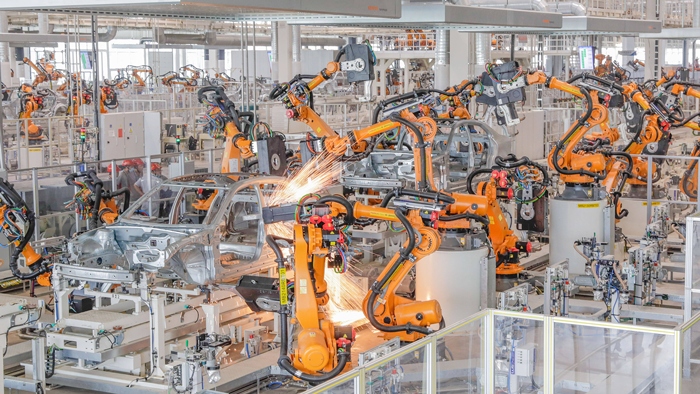
A 2022 incident in a German auto plant: a welding spark ignited a Bakway PC machine guard. The panel charred but didn’t burn. “Without PC, the fire would’ve reached the fuel lines—costing $1M in damage,” the plant manager said.
#### School Skylights (Japan)
A Tokyo elementary school’s PC skylights passed strict fire safety audits. “During a 2021 drill, a simulated fire showed the panels self-extinguished in 10 seconds—no drips, no panic,” the principal reported.
#### Hospital Partitions (France)
Paris’s La Pitié-Salpêtrière Hospital uses V-0 rated PC partitions in ICU corridors. “PC doesn’t feed fires, and its low fume output is critical for patients on oxygen,” the head of safety said.
### 4. How to Choose the Right Flame Retardancy Rating
Not all applications need V-0—but cutting corners can be dangerous.
-
V-0: Required for high-risk areas (factories, hospitals, public transit). Bakway’s V-0 sheets are used in 90% of their industrial projects.
-
V-1: Ideal for schools, offices, and retail spaces where fire risk is moderate but safety is still critical.
-
V-2: Suitable for low-risk indoor applications (e.g., decorative partitions, light signs).
### 5. The Bakway Edge: Engineering Fire Safety
Bakway’s PC sheets don’t just meet flame retardancy ratings—they exceed them:
-
Phosphorus Additives: Non-toxic, permanent, and proven to maintain V-0 ratings for 10+ years (TÜV tested).
-
Co-Extrusion Technology: Fuses flame retardants into the core, so they don’t leach or degrade over time.
-
Global Certifications: UL, TÜV, and CE-approved, ensuring compliance with EU, US, and Asian fire codes.
### Final Take: Flame Retardancy Ratings Are a Lifeline
In a world where fires can start in seconds, PC endurance sheets’ flame retardancy ratings aren’t just specs—they’re lifelines. For projects where fire safety is non-negotiable, trust Bakway (
). Their V-0 rated sheets don’t just resist fire—they stop it.